

People have heard so many mixed messages about stretching that it can feel like the rules change every other year. What used to sound like a simple bit of advice has turned into one of those fitness topics that sparks debates in gyms, running clubs, and physio clinics. Many grew up thinking stretching before exercise was the responsible thing to do, almost like a badge of someone who cared about their body. Then studies started rolling in saying static stretching might make performance weaker for a while. At the same time, new warm up methods became popular, especially dynamic drills that look more like mini workouts.
All of this has left plenty of people unsure of when to stretch or what type of stretching fits their goals. Some feel confused and others feel a bit annoyed that the guidance changed without any clear explanation. This is why it helps to slow things down and look at what researchers and coaches are agreeing on now. Stretching still has a place. It simply works better when used at the right moment, in the right way, for the right reason. The modern approach is far more practical and far less rigid than the old one.
What We Used to Believe About Stretching
For a long time, static stretching before exercise was treated almost like a rule carved into stone. If you played sport in the 90s or early 2000s, you probably remember standing in a circle outdoors, holding stretches for thirty seconds at a time while a coach counted loudly. People believed it prevented injuries, made muscles safer, and prepared the body for movement. The idea made sense at the time because the thinking was simple. Looser muscles would be less likely to strain. Even early textbooks said the same thing, so the advice spread everywhere from community sport to big training centres.
We have spoken with the team at Applied Motion Physiotherapy and Podiatry in Perth, who work with kids, teens, and adults across all kinds of activity levels, and they mentioned that this old approach was still incredibly common when many of their long term clients first came through the door. It was the routine everyone thought they were supposed to follow.
It was logical in its own way, even if it was based more on tradition than strong science. Nobody questioned it because everyone was doing the same routine. Over time researchers noticed the results did not match the expectations. Some athletes were stretching faithfully yet still dealing with the usual strains and tweaks. Others felt sluggish after long stretching sessions. These small observations pushed scientists to study stretching more closely and that is when the shift began.
What New Research Says About Stretching and Performance
One of the biggest findings from modern sports science is that long static stretches can lower muscle strength and power for a short period afterwards. This surprised many coaches because the belief that stretching made muscles safer was so deeply rooted. Studies showed that holding a static stretch for too long reduced the nervous system’s ability to fire the muscle quickly. The muscle did not become weaker, but its immediate force output went down, which is not ideal before lifting weights or sprinting.
Researchers noticed this effect over and over again and it helped explain why some people felt a little flat after a long stretching routine. The body relaxes during a static hold so it is not in the state needed for maximum effort. For activities that rely on explosive power, such as sprints, jumps, or heavy lifts, the timing of static stretching matters more than many people realised.
Dynamic stretching took centre stage once researchers compared it to static stretching. Unlike holding a position, dynamic drills involve movement, gradually increasing range and speed. Think leg swings, walking lunges, controlled high knees, arm circles, and similar motions. These movements warm up the joints, increase blood flow, and switch on the nervous system in a way that suits most forms of exercise.
Athletes noticed they felt sharper and ready for action after dynamic drills. Runners felt smoother in their stride. Weightlifters felt more stable and prepared to move heavier loads. Sports teams started replacing pre game static stretching with dynamic warm ups because performance improved and the athletes felt better going into the session.
Stretching Before Exercise: When It Helps and When It Does Not
When pre workout stretching is beneficial
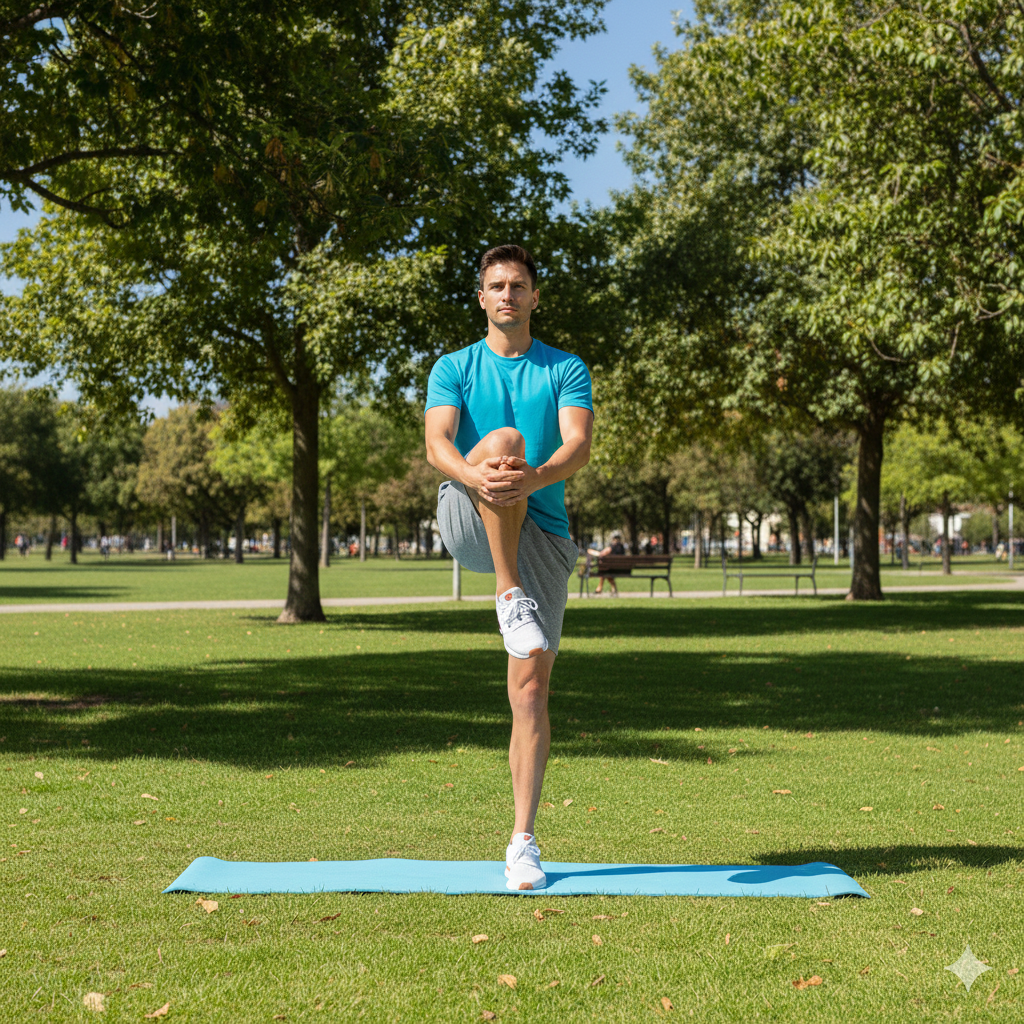
Static stretching before exercise still has value, but its value is specific. It makes sense for people who rely on extreme flexibility such as dancers, gymnasts, martial artists and even some yoga enthusiasts. These individuals need a wide range of motion before performing certain movements, so a short static stretch can help them move safely into those shapes.
It also helps those with stiff or restricted joints. Someone with tight hip flexors or ankles might not move properly during certain exercises. A short targeted stretch can help unlock enough motion to perform a movement pattern with better control. Finally, people recovering from injuries might be given specific stretches by their physiotherapist to improve mobility before training. Those stretches are not optional. They are part of the rehab plan and support healthy movement.
When pre workout stretching is not ideal
Strength training sessions requiring high effort do not mix well with long static stretching. The brief drop in muscle power can affect how stable or confident someone feels under a barbell. It can also interfere with activities like sprint intervals, high intensity circuits, or any type of sport where quick movement is needed straight away.
Pre workout static stretching also does little to prevent injuries in these scenarios. Most warm up related injuries come from rushing or skipping the process entirely, not from a lack of flexibility. A warm up that blends light movement, gradual progression, and dynamic drills tends to be far more effective at preparing the body compared with holding long stretches.
Stretching After Exercise: What Science Supports
Post workout stretching offers benefits that fit perfectly with how the body responds after exercise. Muscles often feel tight or shortened after heavy sessions. Gentle static stretching can help restore length, improve long term flexibility, and leave the body feeling settled rather than wound up. Holding stretches after a workout can help reduce that stiff, stuck feeling that sets in after sitting down later in the day.
Some people enjoy stretching at the end of a session because it acts as a signal to wind down. The breathing slows, the mind relaxes, and the body shifts toward a calmer state. This helps recovery and creates a small ritual that marks the end of training. While stretching cannot erase every bit of soreness, it can reduce the uncomfortable tension that makes movement feel restricted.
One of the biggest misunderstandings is that stretching after exercise prevents delayed onset muscle soreness entirely. It can help reduce stiffness but it does not completely stop DOMS. Soreness comes from tiny muscle fibres repairing, not from tightness alone. Another misconception is that stretching can fix poor lifting technique or bad training choices. Flexibility helps with movement but it cannot correct a habit like rounding the back during a deadlift.
Understanding the Main Types of Stretching
Static stretching
Static stretching is the type most people recognise. The position is held for a period of time, often between fifteen and sixty seconds. It works well for improving long term flexibility and it feels calming when used at the end of a workout. It is also helpful for targeting specific problem areas. People should ease into the stretch rather than forcing the body into uncomfortable ranges. Gentle tension is helpful, sharp pain is not.
Dynamic stretching
Dynamic stretching involves controlled movement that gradually increases range. These movements look similar to what someone might do during their workout, which is why they help so much during warm ups. They prepare the body for motion rather than relaxation. Sports teams often design their own dynamic sequences that match the demands of their game.
PNF stretching
PNF, short for proprioceptive neuromuscular facilitation, involves contracting and relaxing the stretched muscle. This method usually requires a partner or a physio guiding the process. It can create impressive flexibility changes in a short time, which is why it is popular in rehab settings or specialised training. The intensity is higher than typical stretching so it should be done with guidance to avoid overdoing it.
Ballistic stretching
Ballistic stretching involves bouncing or jerking into a position. This method is rarely recommended for the average person because it can place unnecessary strain on muscles and connective tissue. Some athletes use it under supervision for specific performance reasons but for most exercisers static or dynamic stretching covers everything they need.

What To Do Before and After Your Workouts
A simple warm up works surprisingly well. A few minutes of light movement such as cycling or rowing wakes the body up. Dynamic stretches like leg swings, arm circles, or bodyweight squats fit neatly into the next phase. Static stretching can come later when the training is done. This keeps the muscles responsive during exercise and relaxed afterwards.
Runners usually benefit from mobility drills that mimic the running motion. Leg swings, gentle skips, and controlled strides prepare the hips and ankles. After the run, static stretching feels great on the calves, quads, hamstrings and hip flexors. Many runners enjoy a longer cool down stretch because it makes recovery more comfortable and helps their next run feel smoother.
Strength sessions improve when joints move well and muscles fire properly. A warm up using dynamic motion such as hip hinges, shoulder openers, and controlled lunges helps the body settle into good lifting patterns. Static stretching before lifting is rarely needed unless a joint is too tight to move safely. Saving those stretches for later keeps strength levels consistent and avoids the temporary dip caused by long holds.
Anyone coming back from injury should rely on their physiotherapist’s advice. Stretching becomes part of the rehab plan, not a guessing game. The right mix of mobility, strength, and stretching varies massively from person to person. Some will need more stretching. Others will need controlled strengthening first. The safest approach is following the plan designed for that specific injury.
Older adults often feel stiff in certain areas, especially around the hips, back, and shoulders. A gentle dynamic warm up helps the body move safely. Adding controlled static stretching afterwards can help improve comfort and mobility without pushing too hard. The goal is to feel better after the session, not to force ranges that feel unsafe.
How Long Should You Hold Stretches?
Stretch duration matters more than people think. Short holds of fifteen to twenty seconds can help with a general cool down. Longer holds of thirty to sixty seconds suit those aiming to improve flexibility or work on specific tight areas. Very long holds might feel relaxing, but they are not needed unless someone is training heavily for advanced flexibility. The body responds best to consistent stretching over time rather than extreme sessions once in a while.
Common Stretching Mistakes to Avoid
Many people stretch in ways that do not help their body at all. One of the biggest mistakes is forcing a stretch too far. Muscles tighten up when pushed aggressively, which defeats the purpose and can lead to strains. Another mistake is using stretching as a replacement for a proper warm up. A warm up should include movement, not simply holding positions. Holding static stretches too long before intense exercise is another common slip up because it slows the body down at the wrong moment. Bouncing aggressively into stretches or forgetting to breathe can also reduce the benefits. Gentle breathing helps muscles relax, which is helpful during post workout sessions.
A few final thoughts
Stretching still matters. The trick is knowing when to use each type so the body feels prepared rather than slowed down. Dynamic stretching before exercise wakes everything up and helps performance. Static stretching after exercise helps muscles unwind and improves flexibility over time. People can adjust the mix based on their goals, comfort levels, and any advice from a physio if they are dealing with injuries. With a bit of consistency the routine becomes natural. The body feels better during training and recovery feels smoother, which is what most people want from their workouts anyway.